Foundation Problem Signs: What to Look For
Understanding common foundation issues helps you know when to seek professional evaluation. Here's what to watch for — without the fear-mongering.
Important: This guide is educational, not diagnostic. Many of these signs can have multiple causes, and severity depends on context. An in-person inspection is the only way to properly assess foundation concerns.
What Foundation Issues Actually Look Like
The first four images are conditions I look for during an inspection. The last two are repair methods commonly quoted in Edmonton, shown so you can recognise them if one turns up on an estimate.
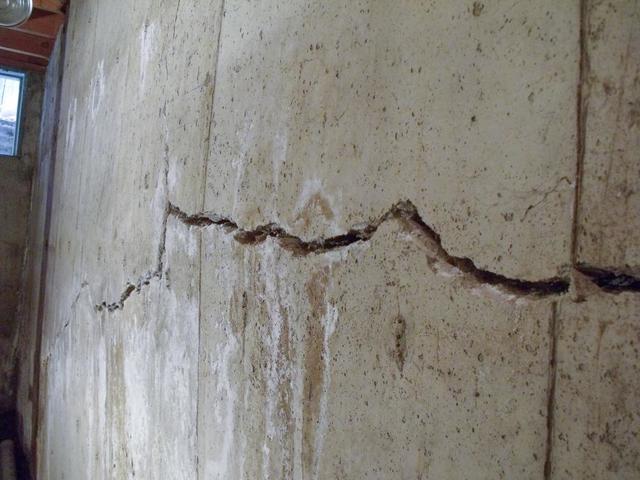
Horizontal Crack
Classic horizontal crack with water staining — typically warrants evaluation.
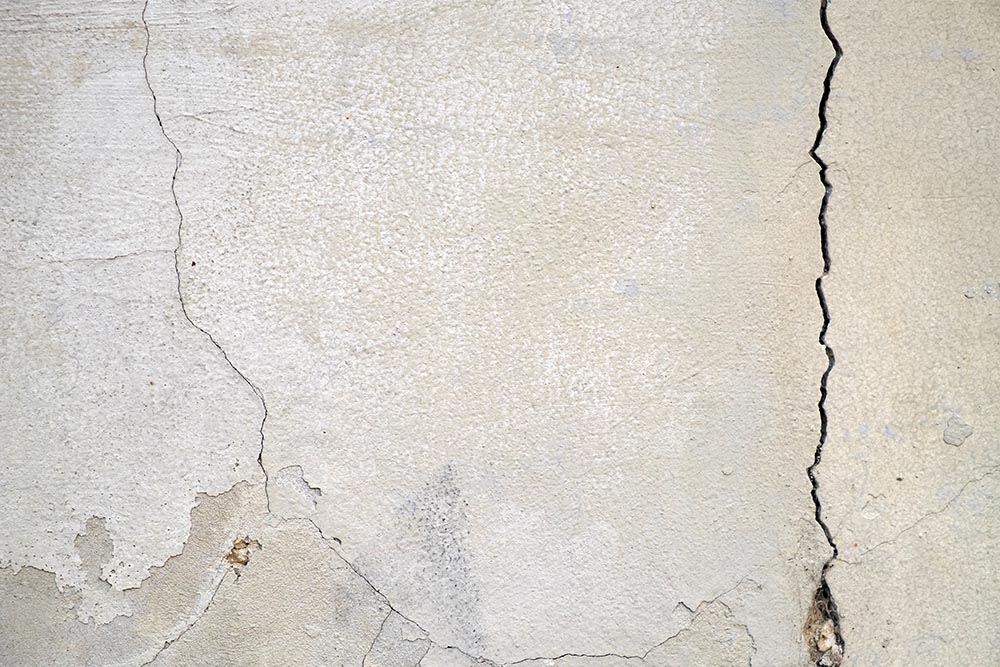
Vertical Crack
Narrow vertical cracks are often from concrete curing — severity depends on width.
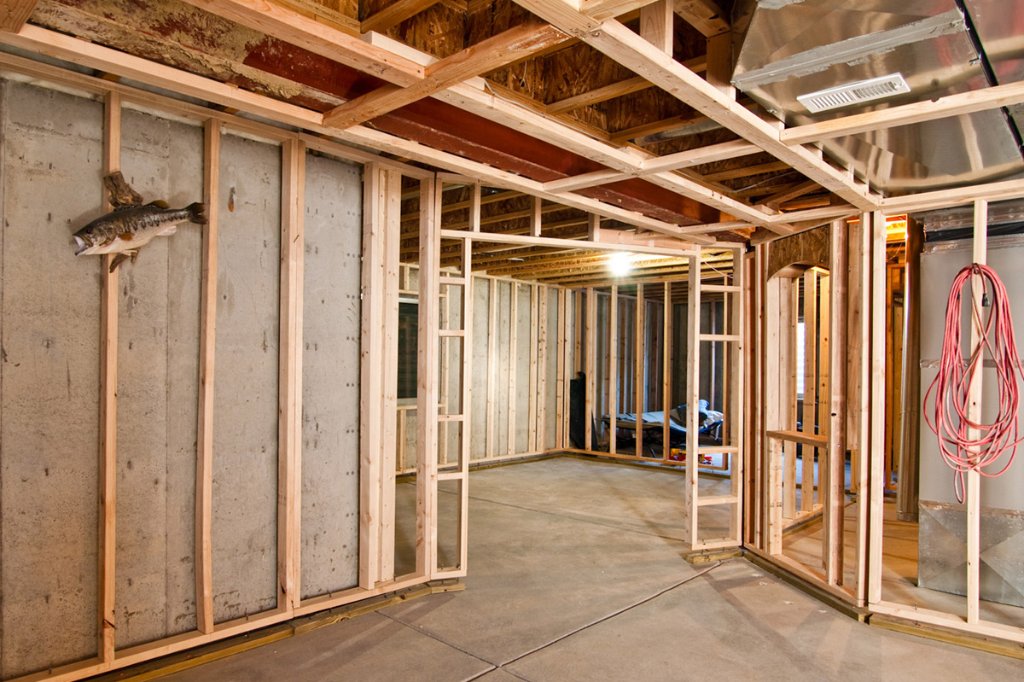
Exposed Foundation
Foundation visible during basement development — an ideal time to inspect.
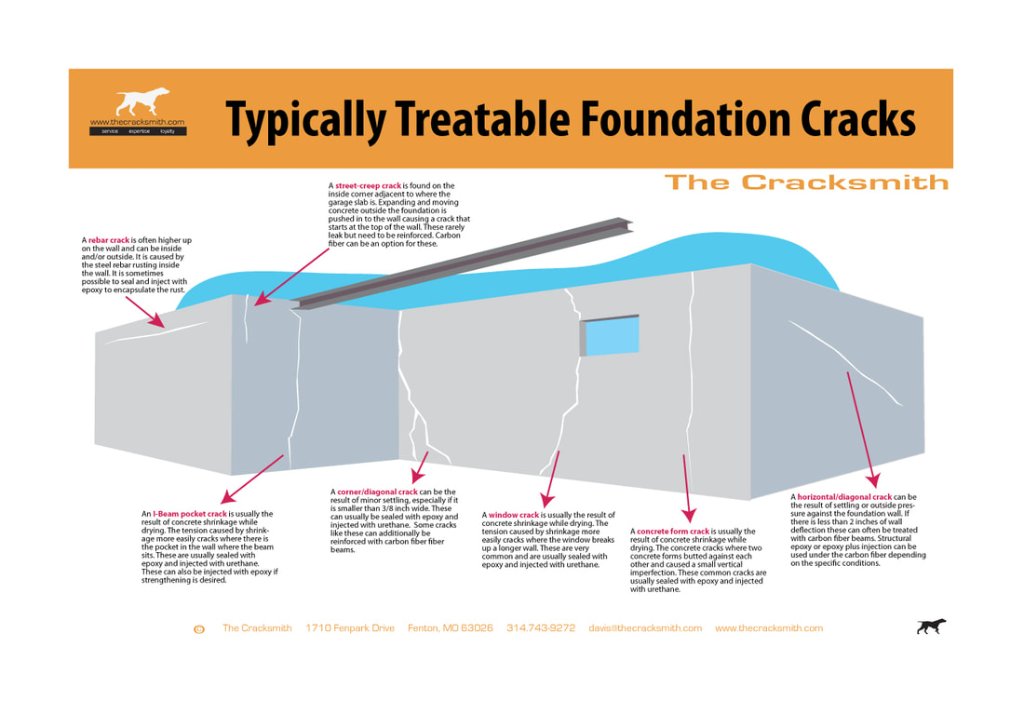
Crack Types Guide
Educational diagram showing different foundation crack patterns.
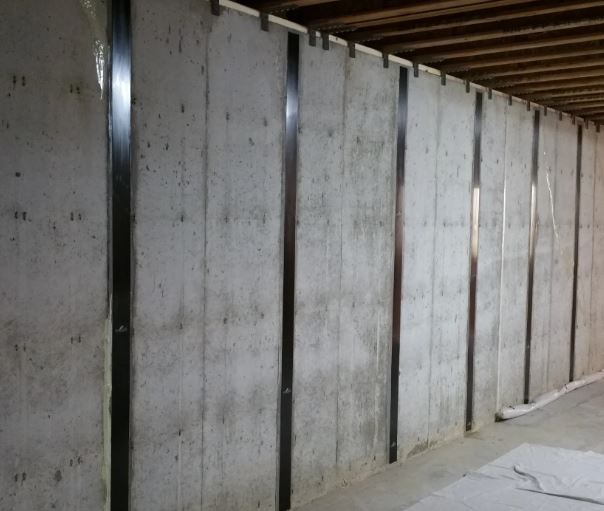
Carbon Fiber Strips
A reinforcement method contractors quote. Useful to recognise when it appears in an estimate.
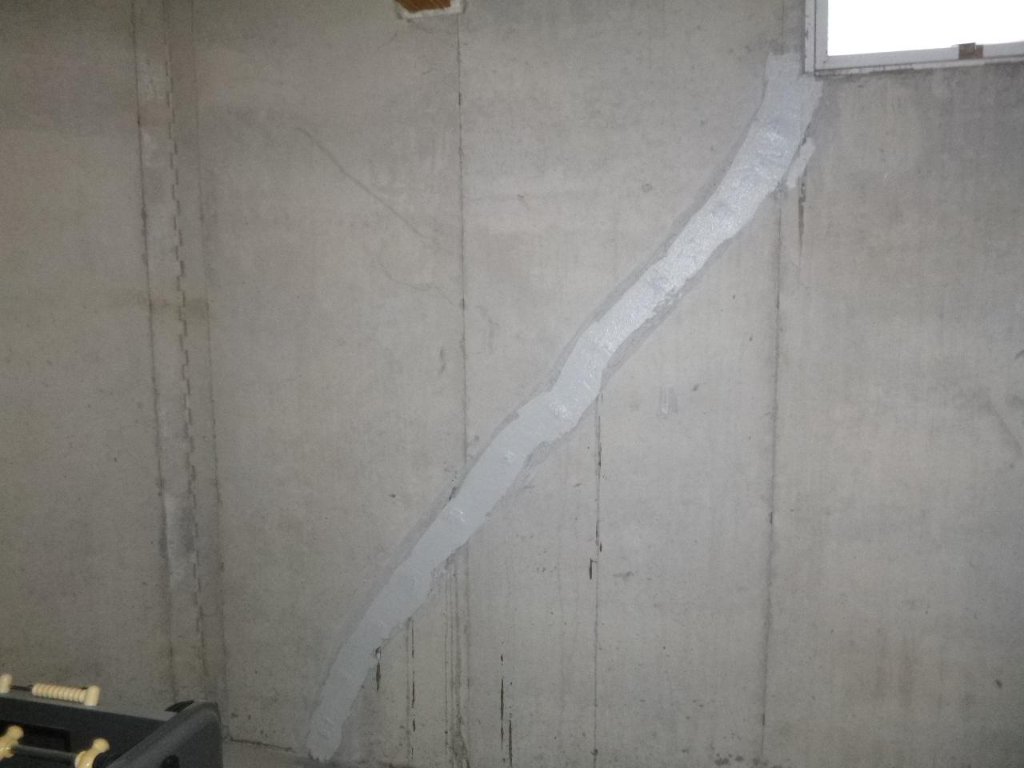
Crack Injection
Epoxy or polyurethane injection used to seal cracks — another method contractors commonly quote.
Cracks
Horizontal Cracks
Higher ConcernHorizontal cracks in basement walls often indicate lateral pressure from soil or water. These typically warrant professional evaluation.
Stair-Step Cracks
Moderate ConcernCracks following the mortar joints in a stair-step pattern may indicate settlement. The severity depends on width and whether they're active.
Vertical Cracks
Lower ConcernNarrow vertical cracks are often from concrete curing and may be cosmetic. Wider or growing cracks need monitoring.
Diagonal Cracks
Moderate ConcernDiagonal cracks from corners of windows or doors may indicate differential settlement.
Water Issues
Water Staining
Moderate ConcernStains on basement walls indicate past or current water intrusion. The source and frequency matter.
Efflorescence
Lower ConcernWhite mineral deposits on concrete indicate water movement through the foundation. Common but worth monitoring.
Standing Water
Higher ConcernActive water in the basement requires immediate attention to identify and address the source.
Musty Odors
Moderate ConcernPersistent musty smells often indicate moisture issues that may affect foundation health.
Structural Indicators
Uneven Floors
Moderate ConcernSloping or bouncy floors may indicate settlement, structural issues, or floor joist problems.
Sticking Doors/Windows
Lower ConcernDoors and windows that stick or won't close properly may indicate foundation movement.
Wall/Ceiling Gaps
Moderate ConcernSeparation between walls and ceilings or floors can indicate structural movement.
Bowing Walls
Higher ConcernWalls that bow or lean inward are a serious concern requiring immediate professional evaluation.
What Should You Do?
Don't Panic
Many foundation concerns turn out to be minor or cosmetic. Foundations move over years and decades, not overnight, so you almost always have time to find out what you are dealing with.
Document What You See
Take photos and note any changes over time. This information helps inspectors understand what's happening.
Get It Properly Assessed
A full inspection puts 45 to 90 minutes into the property and leaves you with a written, photographed report you can act on — or hand to somebody else.
Find Out What You're Actually Looking At
A photograph of a crack tells you very little on its own. Its width, whether it has moved, where the water outside is going, and what the doors upstairs are doing are what turn it into an answer.
That's what a full inspection is for: 45 to 90 minutes on site, a written report within 48 hours, and a plain call on whether to monitor it, act on it, or take it to an engineer.
Concerned About Your Foundation?
Get a proper look at it — 45 to 90 minutes on site, and a photographed written report within 48 hours.

